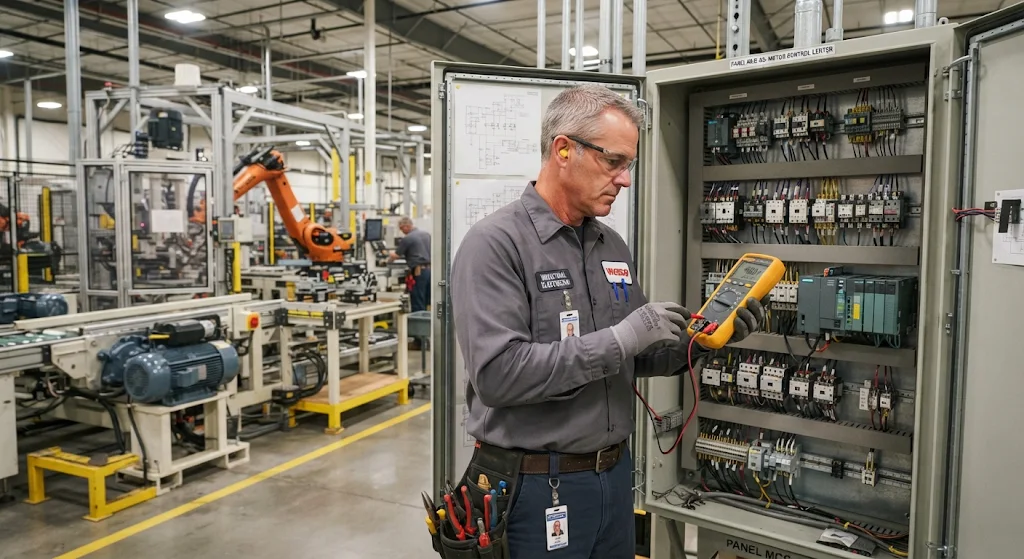
Navigating Electrical Services Throughout New Hampshire
Whether you manage a commercial property along Elm Street in Manchester, own a lakeside cottage in Laconia, or maintain a historic colonial residence in Portsmouth, electrical infrastructure demands rigorous care, technical precision, and compliance with New Hampshire standards. The Granite State experiences diverse climatic demands, ranging from heavy winter ice storms that threaten overhead service drops to humid summer peaks that strain residential air conditioning and electrical distribution panels.
WATT911 provides a straightforward, transparent referral network designed to help New Hampshire homeowners and business operators connect with independent local electrical contractors. Rather than navigating generic directories or unverified internet listings, our directory maps local municipal permitting contexts, common regional electrical challenges, and key decision-making criteria across nine core New Hampshire communities.
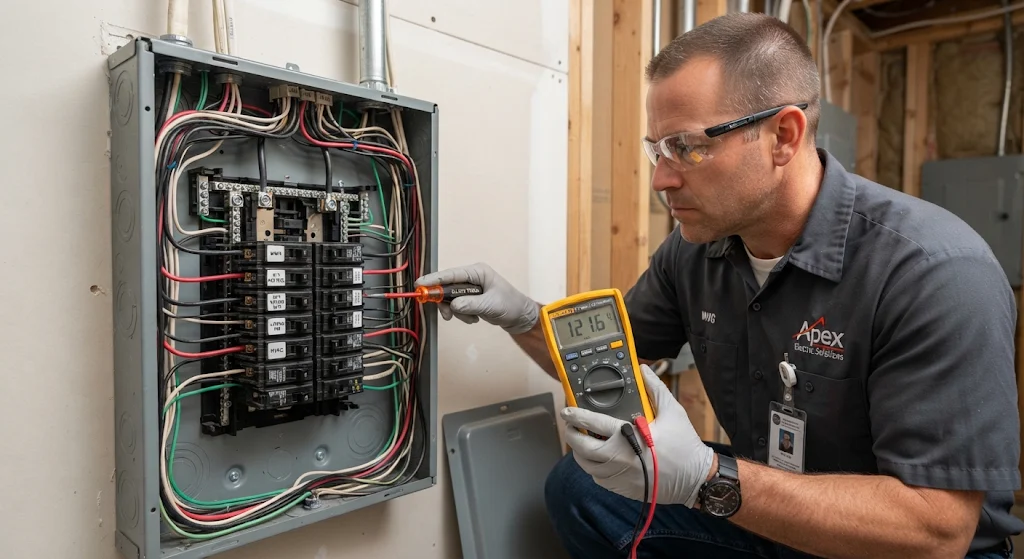
Key Considerations for New Hampshire Electrical Upgrades
Upgrading or repairing electrical systems in New Hampshire requires an understanding of both physical environmental demands and legal regulatory frameworks:
- Severe Weather and Backup Resilience: Winter nor'easters and freezing rain frequently disrupt utility distribution across rural and wooded corridors. Standby automatic generators and manual transfer switches have become essential safeguards for heating systems, well pumps, and refrigeration.
- Service Capacity Modernization: Many older homes across Concord, Keene, and Dover were originally wired with 60-amp or 100-amp electrical panels. Today's high-efficiency heat pumps, induction cooking, and electric vehicles require evaluation for 200-amp service upgrades.
- Code and Concurrency Compliance: New Hampshire enforces state electrical standards overseen by the State Building Code Review Board and the Electricians' Board under the Office of Professional Licensure and Certification (OPLC). New installations must comply with approved safety provisions to pass municipal inspection.
Regional Distribution & Electrical Infrastructure Realities
New Hampshire's electrical delivery landscape is bifurcated between dense municipal hubs and expansive, heavily forested rural settings. In urban centers like Manchester and Nashua, utility infrastructure is a blend of aged underground conduit systems and crowded overhead poles. These environments demand contractors who understand tight right-of-way constraints, zero-lot-line clearances, and high-density commercial power demands.
Conversely, in rural communities such as Derry, surrounding areas of Laconia, and western Cheshire County near Keene, electrical service lines frequently travel hundreds of feet through private timberland. Tree limb falls, heavy wet snow loading, and rapid freeze-thaw cycles subject service entrance cables to intense physical strain. Independent contractors serving these territories must routinely evaluate service drop clearances, weatherhead integrity, and utility disconnect arrangements with regional utility providers including Eversource Energy, Unitil, and the New Hampshire Electric Co-op (NHEC).
Technical Verification: Licensing, Permitting & Safety
When engaging an independent electrical contractor in New Hampshire, property owners must understand that state law strictly defines the boundaries of electrical practice. Under RSA 319-C, all individuals performing electrical installations, alterations, or repairs must hold a valid Master or Journeyman license issued by the New Hampshire Electricians' Board, unless working under the direct supervision of a licensed licensee.
Municipal permit filings serve as an essential safeguard for property owners. When an independent electrician files an electrical permit with local inspection departments—such as Manchester Building Services or Nashua Building Safety—it creates an official public record and mandates an impartial third-party inspection. This step guarantees that wire gauge sizing, overcurrent protection thresholds, grounding electrode conductor resistance, and tamper-resistant receptacle placements conform directly to adopted safety standards.
Important Notice on Electrical Safety
Electrical work carries inherent risks of arc flash, fire, and serious shock. Property owners should never open energized service equipment, bypass tripped circuit breakers, or attempt DIY repairs on main distribution boards. Always engage a licensed, insured independent professional.
Frequently Asked Questions About WATT911 in New Hampshire
No. WATT911 is an independent referral and lead-generation network, not an electrical contractor. WATT911 does not directly employ electricians, does not hold an electrical contractor license, and does not perform electrical installations, repairs, or inspections. All services are performed directly by participating independent third-party electrical contractors.
When you call our referral line, your request is reviewed based on your New Hampshire community and the specific electrical service needed. You are connected with an independent local contractor who can evaluate your project, discuss availability, and provide written estimates.
The independent electrical contractor you hire is responsible for pulling required municipal electrical permits with the local building department (such as Manchester Building Services, Nashua Building Safety, or Dover Inspection Services) and scheduling necessary stage inspections.
No. Any price quotation, formal proposal, workmanship warranty, or service contract is executed directly between you and the independent contractor you choose to hire. WATT911 does not set project pricing or guarantee specific contractor outcomes.