Accelerating Home & Commercial EV Charging in Nashua
As electric vehicle adoption expands rapidly across New Hampshire, relying solely on standard 120-volt Level 1 wall trickle charging is no longer practical for daily driving. In Nashua, cold winter temperatures can reduce electric vehicle battery range and significantly prolong charging times. A dedicated 240-volt Level 2 charging station provides rapid, convenient overnight charging.
WATT911 connects electric vehicle owners in Hillsborough County with independent licensed electrical contractors who specialize in EV supply equipment (EVSE) installations. From dedicated 40-amp, 50-amp, or 60-amp circuit runs to hardwired smart charging units, independent contractors ensure your electrical system supports daily charging without overloading your service panel.
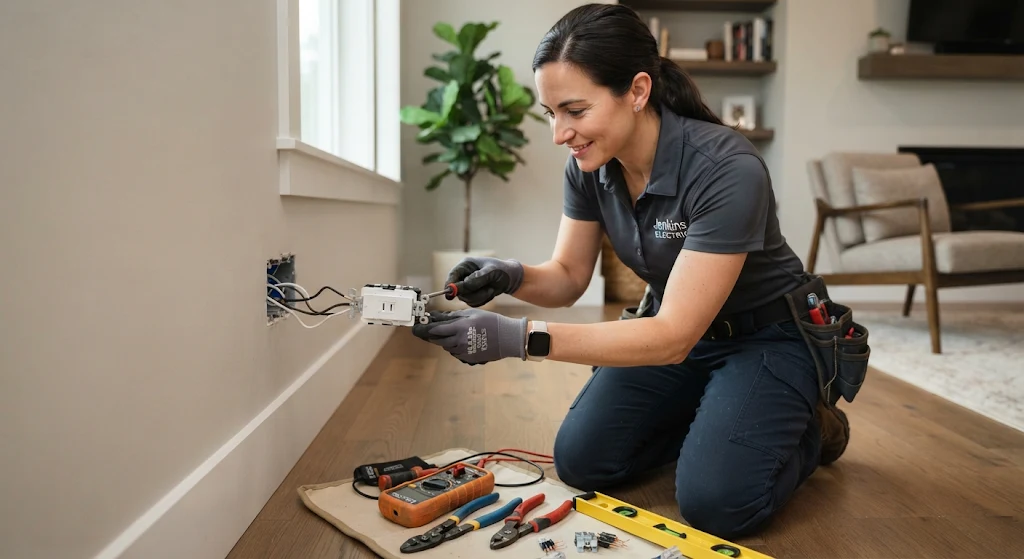
Technical Considerations for EV Charger Installations
- Panel Load Calculation: Before installing a 240V 50A breaker, an independent contractor evaluates your existing panel capacity to confirm whether sufficient continuous duty amperage exists or if a panel upgrade or energy management device is required.
- Hardwired vs. NEMA 14-50 Receptacles: Hardwired installations support higher amperage (up to 48A continuous charging on a 60A breaker) and eliminate the requirement for GFCI breakers that frequently nuisance-trip on EV receptacle circuits.
- Cable Routing and Garage Placement: Selecting the optimal mounting location ensures charging cables reach your vehicle charge port comfortably in all parking orientations without creating trip hazards.
- Cold Weather Efficiency: High-grade exterior conduits and weather-rated enclosures (NEMA 3R or 4) protect charging hardware against New Hampshire snow, freezing rain, and salt air.
Code & Safety Standards in Nashua
Adding a high-amperage continuous load requires municipal electrical permitting and inspection sign-off. Nashua documented 159 permitted housing units. The Nashua Division of Building Safety reviews electrical plan submissions, processes permits, and conducts mandatory stage inspections. Independent electrical contractors pull required permits, size copper conductors according to continuous load rules (125% of rated output), and ensure proper grounding and disconnect compliance.
When investing in EV Charger Installation in Nashua, partnering with a licensed trade professional guarantees adherence to New Hampshire electrical codes, proper load calculations, and long-term operating safety. Commercial and industrial properties demand specialized attention to equipment duty cycles, voltage drop over extended conduit runs, and rigorous coordination with utility providers such as Eversource or Unitil. WATT911 simplifies this connection by matching your service request directly with participating independent contractors who bring verified local experience and technical capability.
Before signing any service agreement or authorizing work, property owners in Hillsborough County are encouraged to review complete written proposals, confirm that the contractor will pull all required municipal electrical permits, and establish a clear timeline for rough-in and final inspections. Clear communication and documented scopes of work ensure projects remain on schedule and fully compliant with all local safety ordinances.
Methodical Execution & Technical Excellence in Nashua
Executing EV Charger Installation safely requires a systematic approach from initial site evaluation through to final utility coordination and circuit testing. When you connect with an independent contractor serving Nashua, the service process follows structured industry standards:
The contractor begins with an on-site physical inspection to analyze existing branch circuits, service drop clearances, grounding electrode resistance, and load balancing across phases. In older Nashua structures, identifying concealed wiring defects, undersized conductors, or corroded terminal lugs early prevents costly unexpected delays during installation.
Once diagnostic measurements and load calculations are completed, the contractor prepares an itemized scope of work. All equipment—whether high-capacity breakers, automatic transfer switches, heavy conduit, or Level 2 chargers—is selected to meet or exceed current National Electrical Code specifications. After physical installation, thorough digital torque testing, voltage verification under load, and insulation resistance tests are conducted before scheduling final municipal inspection sign-offs.
Consumer Protection & Direct Contractor Engagement
WATT911 champions complete transparency in trade referrals. Because all participating electricians are independent third-party businesses, Nashua customers maintain direct control over their project terms, scheduling, and billing arrangements. There are no hidden referral markups or broker fees. You receive direct access to licensed trade professionals who understand Nashua's unique municipal permitting landscape and regional utility requirements, ensuring safe, enduring, and code-compliant electrical performance for your property.
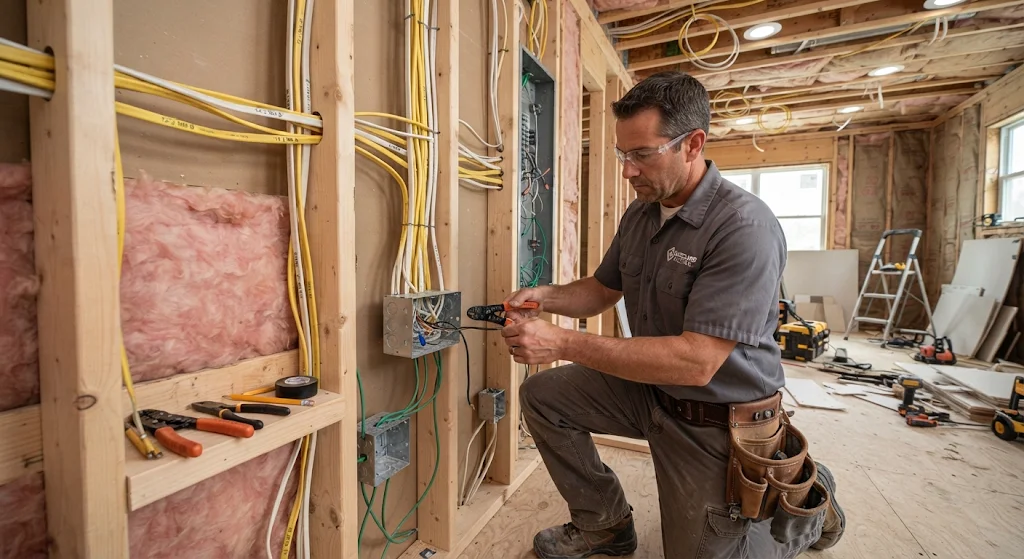
Frequently Asked Questions: EV Charger Installation in Nashua
A standard 120V Level 1 charger delivers approximately 3 to 5 miles of range per hour of charging. A 240V Level 2 station adds 25 to 45 miles of range per hour, enabling full battery replenishment overnight.
If your home currently has a 100-amp panel that is already heavily loaded with electric heating, water heating, or air conditioning, a panel upgrade to 200 amps or an automated load-shedding device may be necessary.
Yes. Weather-rated Level 2 chargers designed for outdoor mounting operate reliably in sub-zero temperatures, snow, and rain when properly installed with outdoor-rated wiring and conduit.
Yes. Installing a new 240-volt circuit and dedicated EV charging station requires an electrical permit and inspection from the local municipal building department.